Beyond Supercomputing: The Human Impact of ACM HPC School
“A student tried to commit suicide.”
I received that report five years ago. We took it seriously — she was placed under the best care of the medical team . I watched her struggle to pull herself back from a very fragile place. After a year of treatment and rehabilitation, she returned to class .
Something in her refused to give up . She pushed herself to learn, to build a future. She joined the APAC HPC-AI competition teams I coached for two consecutive years — and through those years, I witnessed just how much she had to overcome. Starting from zero, she slowly built her HPC skills, piece by piece.
Attending the ACM ASEAN HPC School 2025 changed something in her . She discovered how HPC connects to life science , learning directly from world-leading researchers. There's a kind of magic in those schools — curiosity is contagious, and it spreads like dominoes. She came home lit up. On her own initiative, she enrolled in a biology class and took on a TA role in interdisciplinary studies, even though none of it was required for her Computer Science degree .
She stayed on as my TA throughout the HPC Ignite project. When we opened the call for innovation proposals, I reached out to Dr. Kewalin — a Biology professor who had been onboarding to the LANTA supercomputer — and encouraged her to submit. She hesitated, given the tight timeline, despite years of work on herbal treatment innovations in the wet lab. I suggested bringing my student in. I had seen her excitement about life science at the ACM School, and I believed in what they could build together.
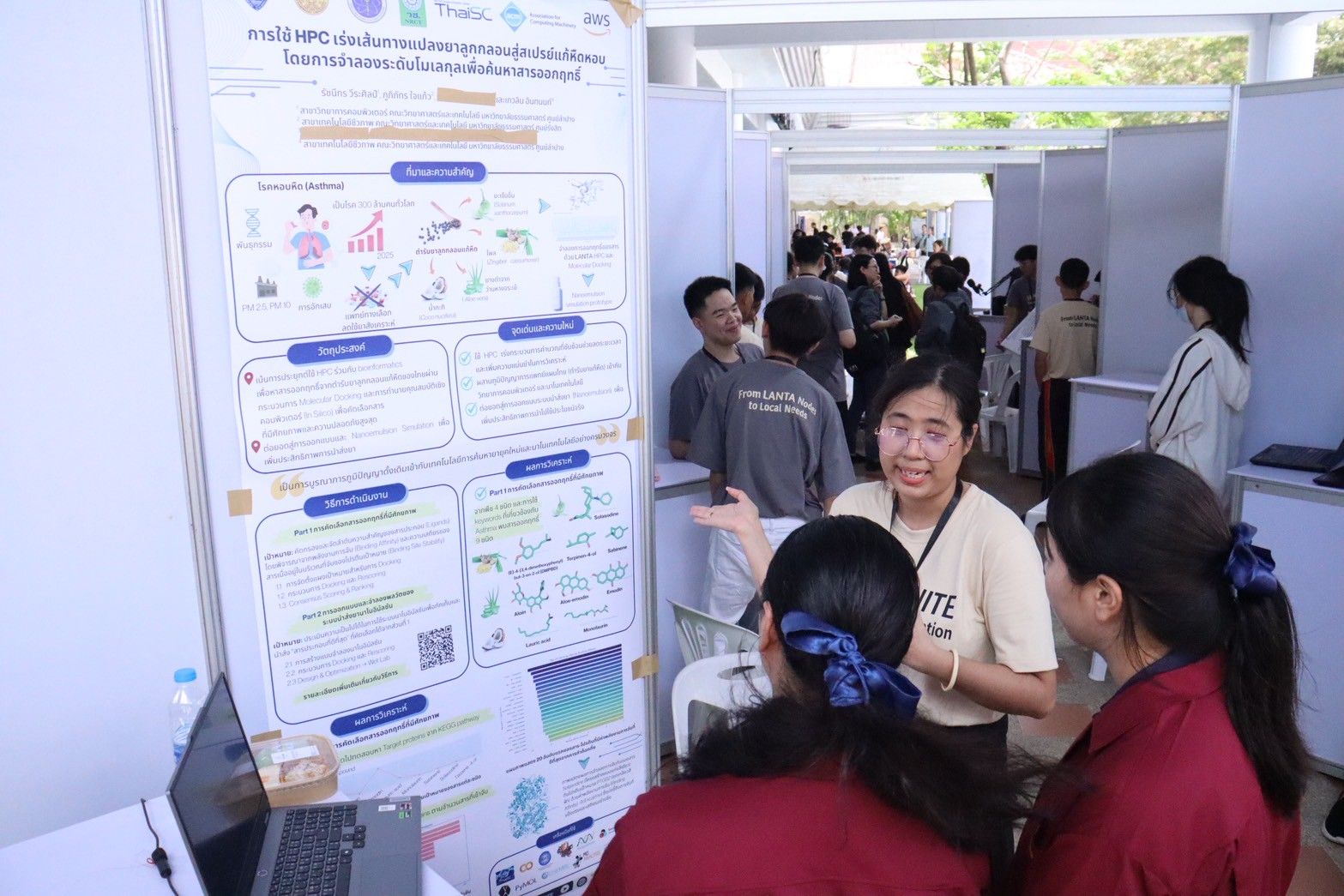
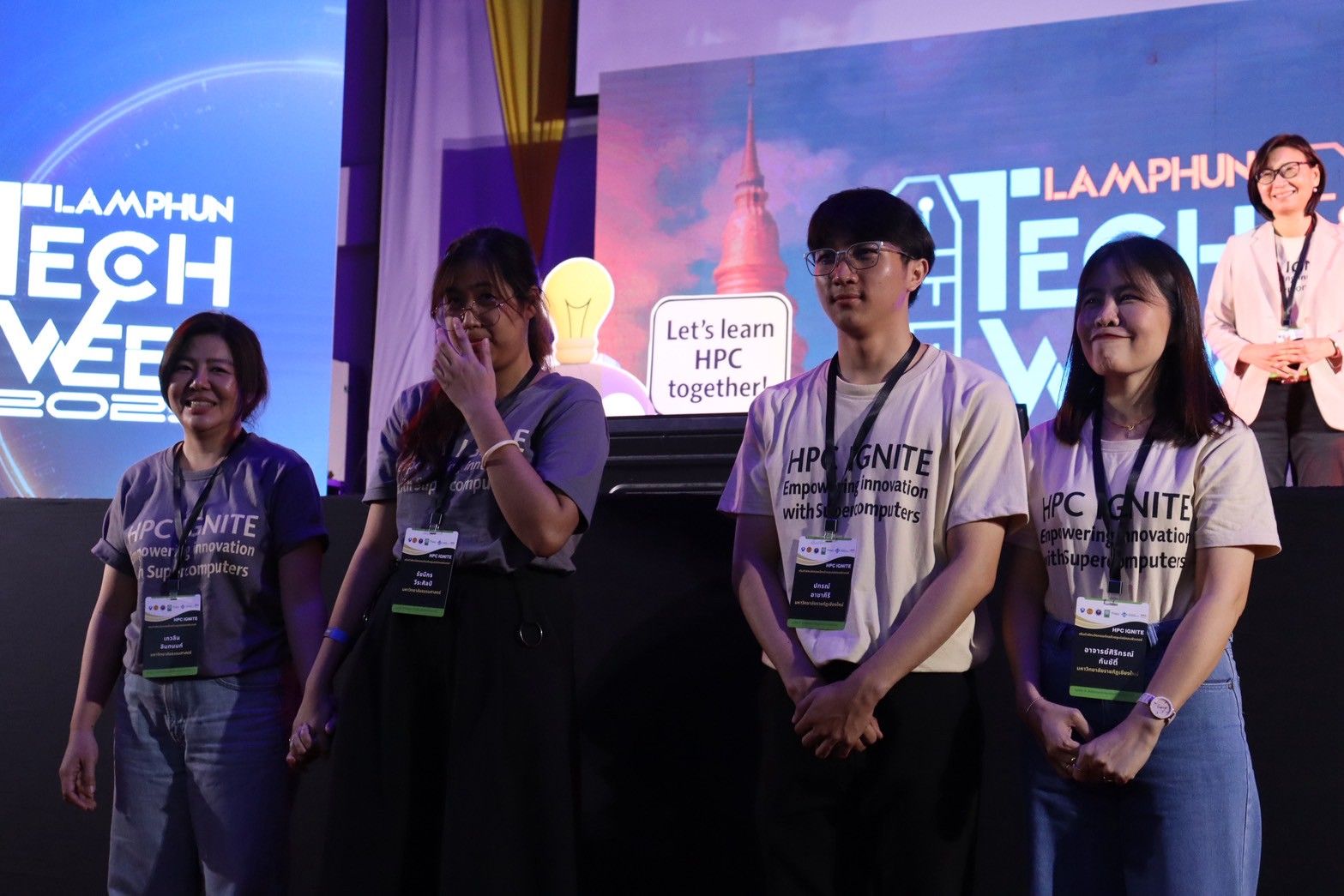
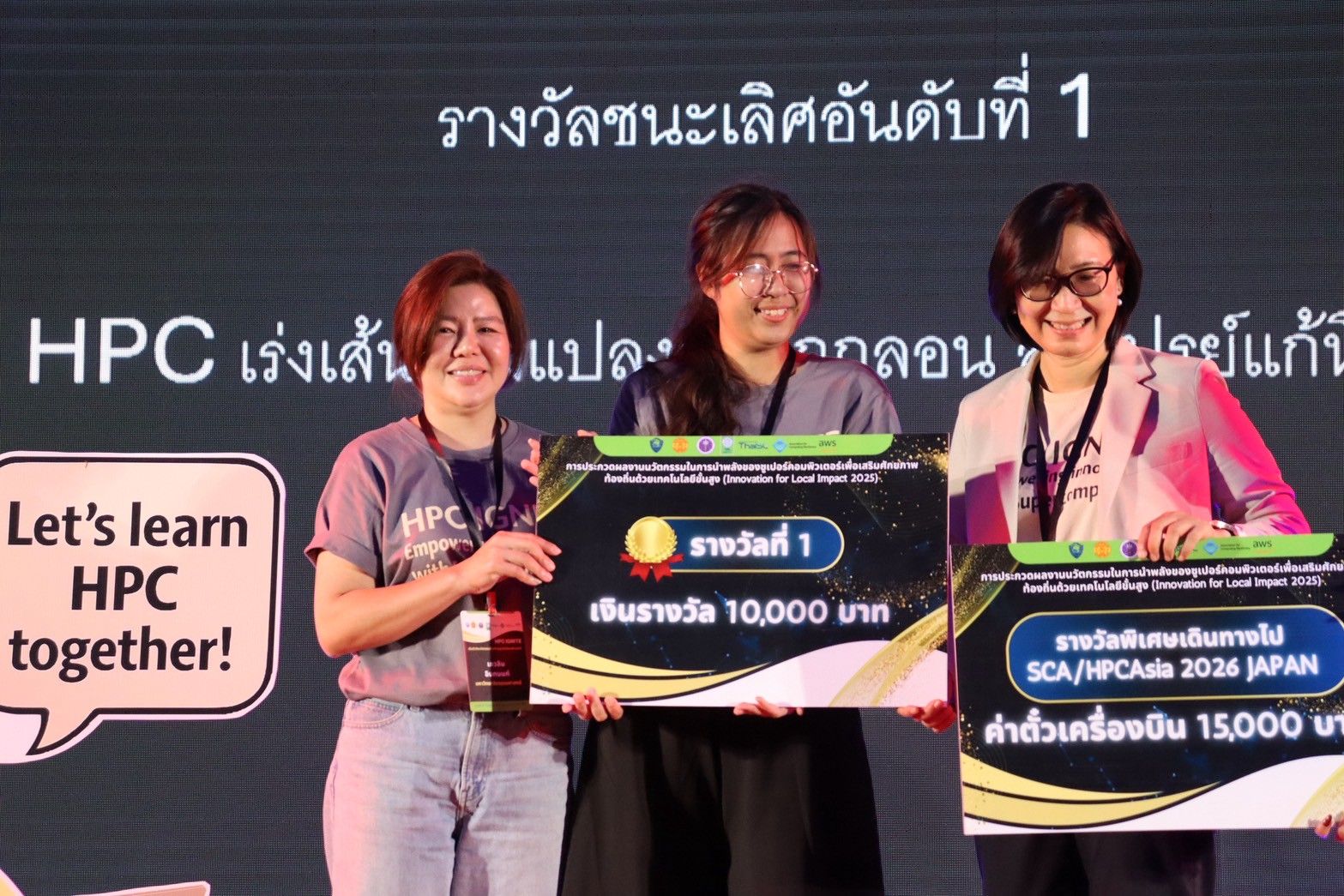
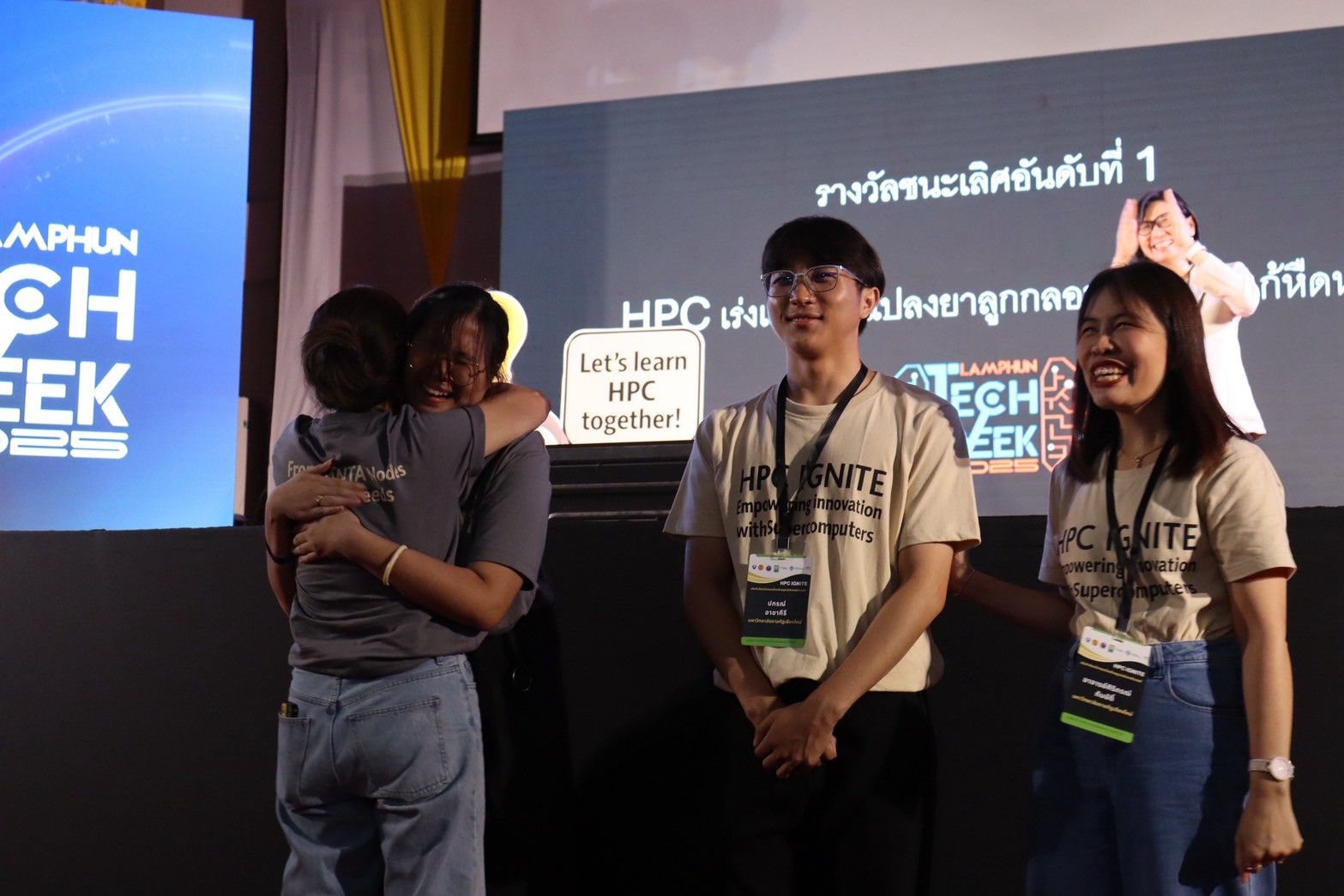
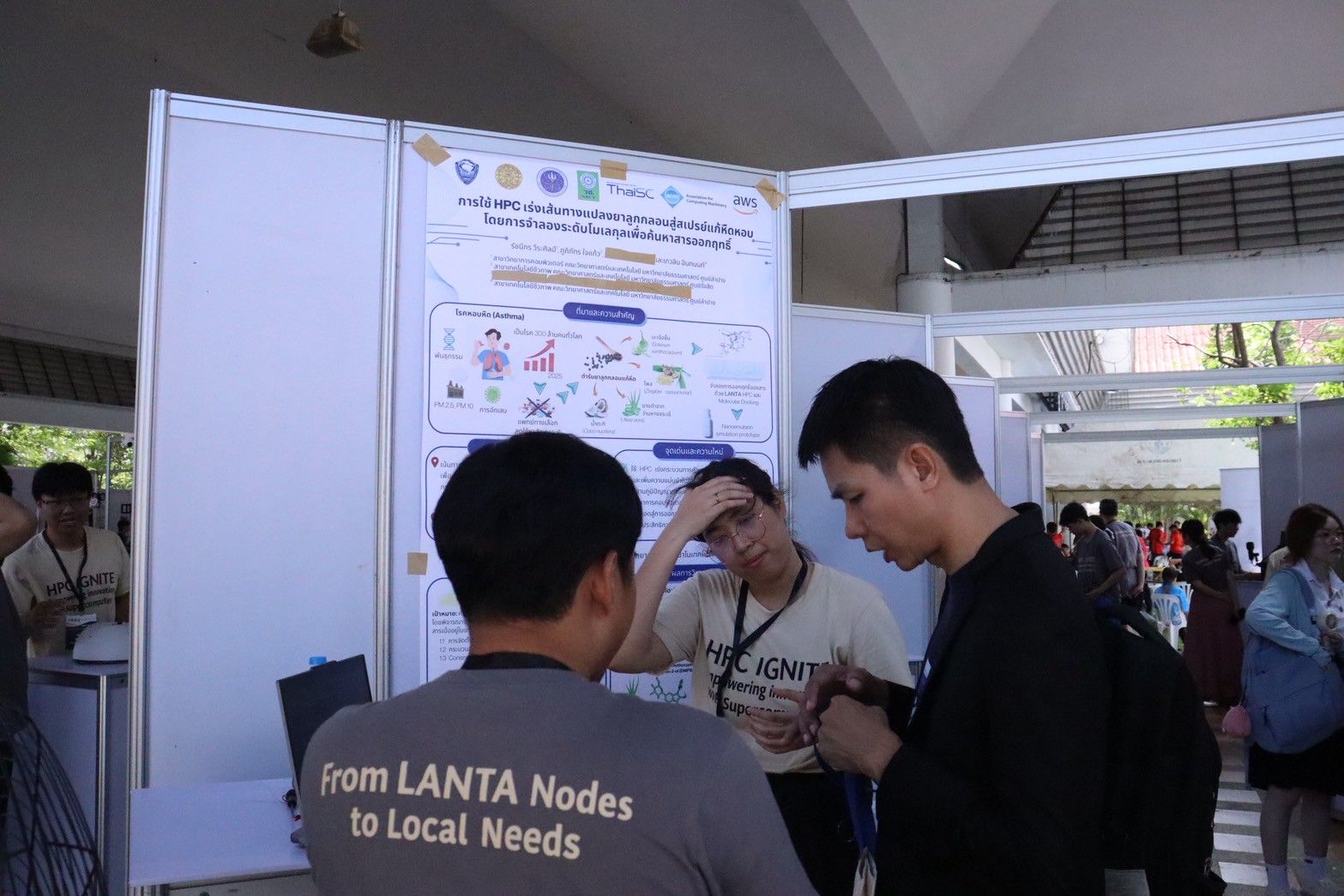
They won first place in the HPC Ignite innovation contest — with the HPC Herbal Spray project.
With mentorship from an alumnus of the 2022 EU ASEAN HPC School, she built the HPC pipeline that helped Dr. Kewalin screen active compounds at scale. My student, Ratchaneekorn, stepped out of the dark and found her flow.